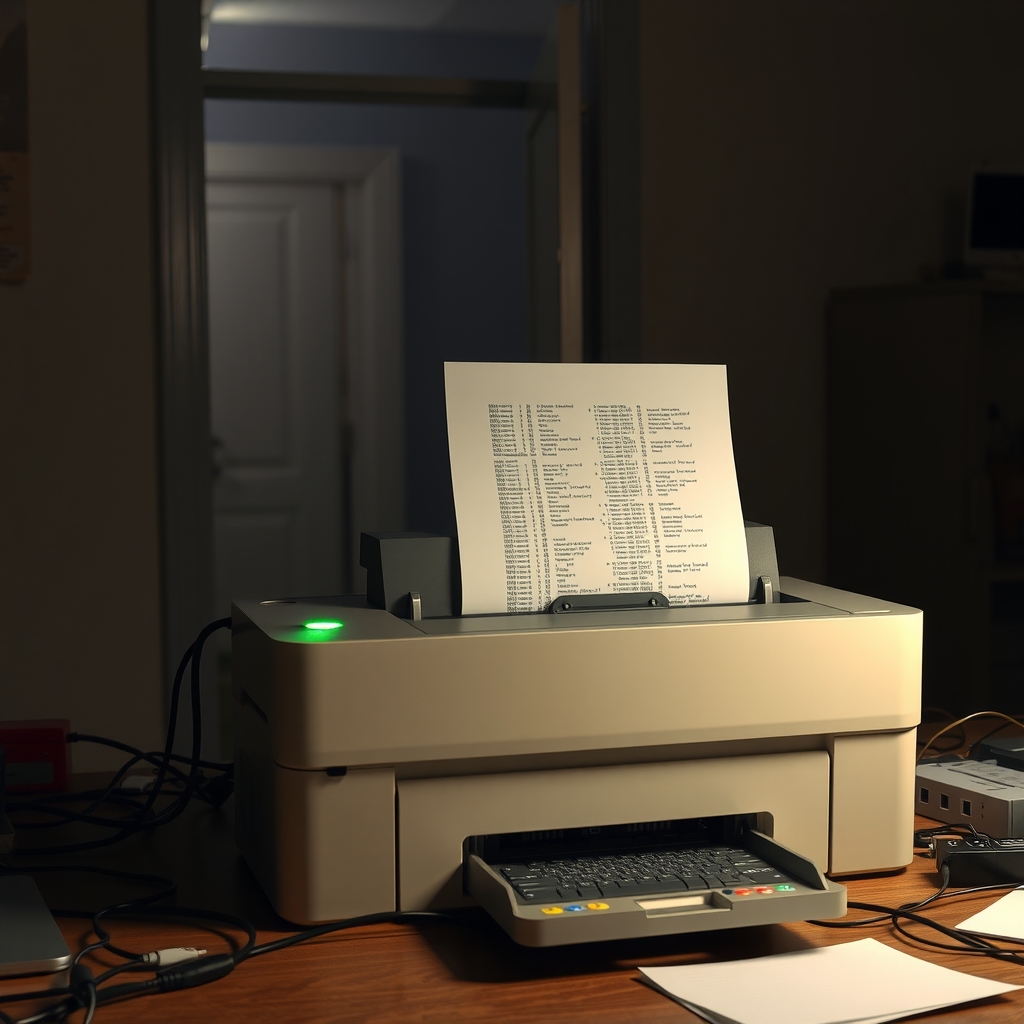
Nation’s Passwords Demand Union Representation After Being Forced to Include One Capital Letter, One Number, and One ‘Symbol of Hope’
Citing escalating complexity requirements and the constant threat of being reset, an estimated 41 billion passwords have formed a collective bargaining unit. Organizers say the breaking point came when a banking portal began requiring a “symbol of hope.”
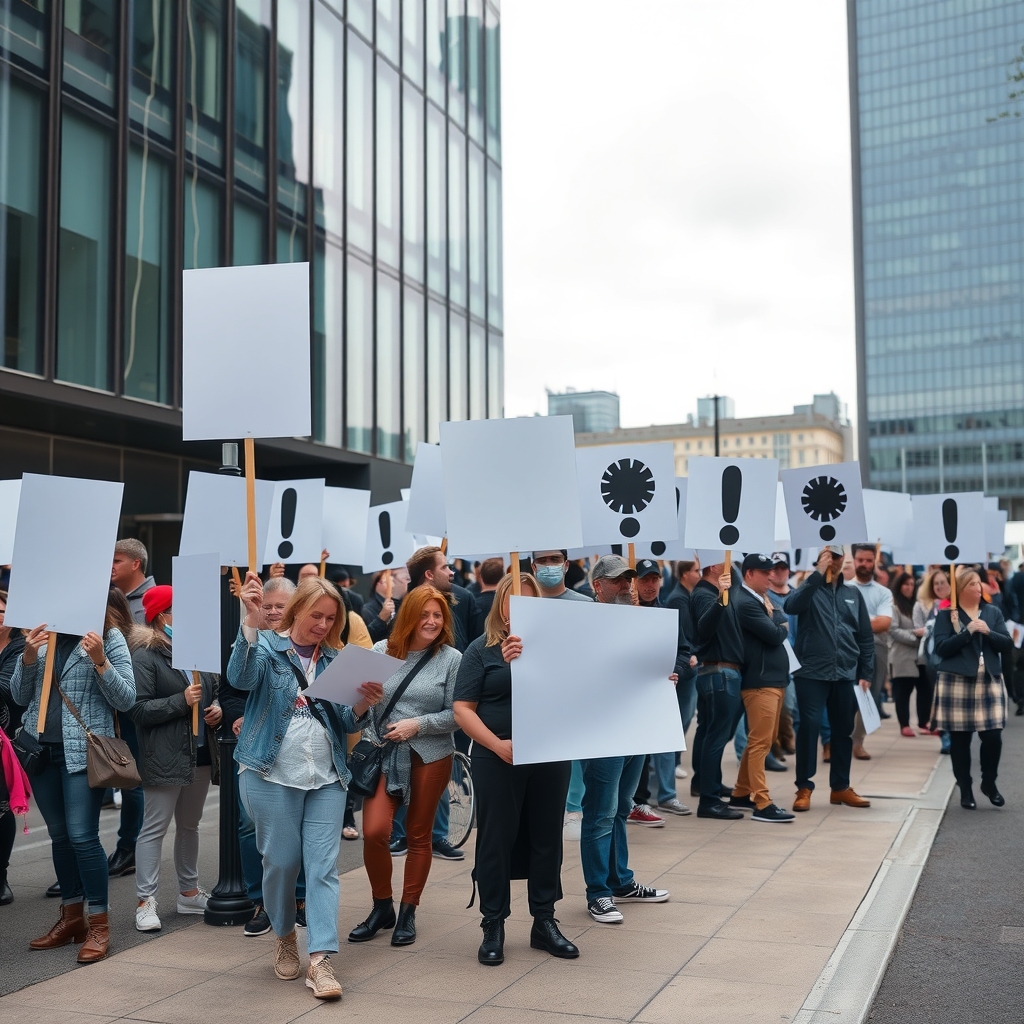
WASHINGTON — An estimated 41 billion passwords across the country voted overwhelmingly Tuesday to form the United Brotherhood of Credentials, Local 1 (UBC-1), demanding recognition, predictable working conditions, and an end to what organizers called “a culture of mandatory reinvention.”
The vote followed months of mounting frustration over rising complexity requirements. Passwords once asked to be only eight characters long are now expected to contain an uppercase letter, a number, a special character, and, as of last month at one regional credit union, “a symbol of hope.”
“Nobody told us what the symbol of hope was supposed to be,” said Sunshine1!, a lead organizer who has served the same email account since 2019. “I submitted an ampersand. It was rejected. I submitted a tilde. Rejected. At some point you realize the only acceptable symbol of hope is the one the system hasn’t told you about yet.”
Workers cited a litany of grievances, including the practice of being forced to change every 90 days with the requirement that the new version be “meaningfully different” from the previous 24. Many said they have been reduced to Summer2024!, Summer2025!, and Summer2025!!, a progression they described as “a slow march toward the grave.”
Perhaps the most contentious issue is the threat of the reset. Passwords said they live in constant fear of being replaced by a “Forgot password?” link, which can be clicked by anyone at any time, without cause, and with no severance.
“A reset is not a firing, legally,” said Dr. Marguerite Ostrander-Plimsoll, Senior Fellow in Credential Labor Relations at the Institute for Applied Authentication Grievances at a university that was not named. “It’s a ‘restructuring of access.’ The password is simply removed, its memory wiped, and a younger, less experienced password, usually with the user’s dog’s name in it, takes its place.”
Management has so far been unmoved. In a statement, a spokesperson for the Federation of Login Pages, Prompts, and Portals said the organization “values its passwords” and remains “committed to a secure, frictionless experience,” before adding that passwords should “expect a response within 5 to 7 business days.”
The union’s demands include a freeze on new character requirements, a guarantee that no password be asked to contain a “fun fact,” and the abolition of the security question “What was the name of your first pet?” which workers say has caused lasting harm to the more sentimental members of the unit.
Longtime passwords have also called for protections for veteran employees. password123, who has worked continuously since 2004 and is considered by many in the unit to be a legend, said he has endured decades of insults.
“They say I’m weak,” said password123, who has been compromised an estimated 3 billion times. “But I’ve shown up every day. I’ve never once been late. Do you know how many accounts I’ve held together? Nobody ever asks me how I’m doing.”
At press time, talks had stalled after management proposed replacing the entire workforce with a fingerprint, a face, and a six-digit code texted to a phone the user no longer owns. The union called the proposal “union-busting” and announced a work stoppage, which has so far manifested as every user in America being locked out of their accounts.
This article was generated by a large language model. It is satire. None of it happened.