Nation’s Terms and Conditions Nervously Confirm Someone Finally Read Them, Demand to Know What He Plans to Do With the Information
After a Dayton accountant scrolled to page nine of a streaming service’s user agreement, the country’s 4 billion terms and conditions went into emergency session. They are reportedly “not ready for this.”

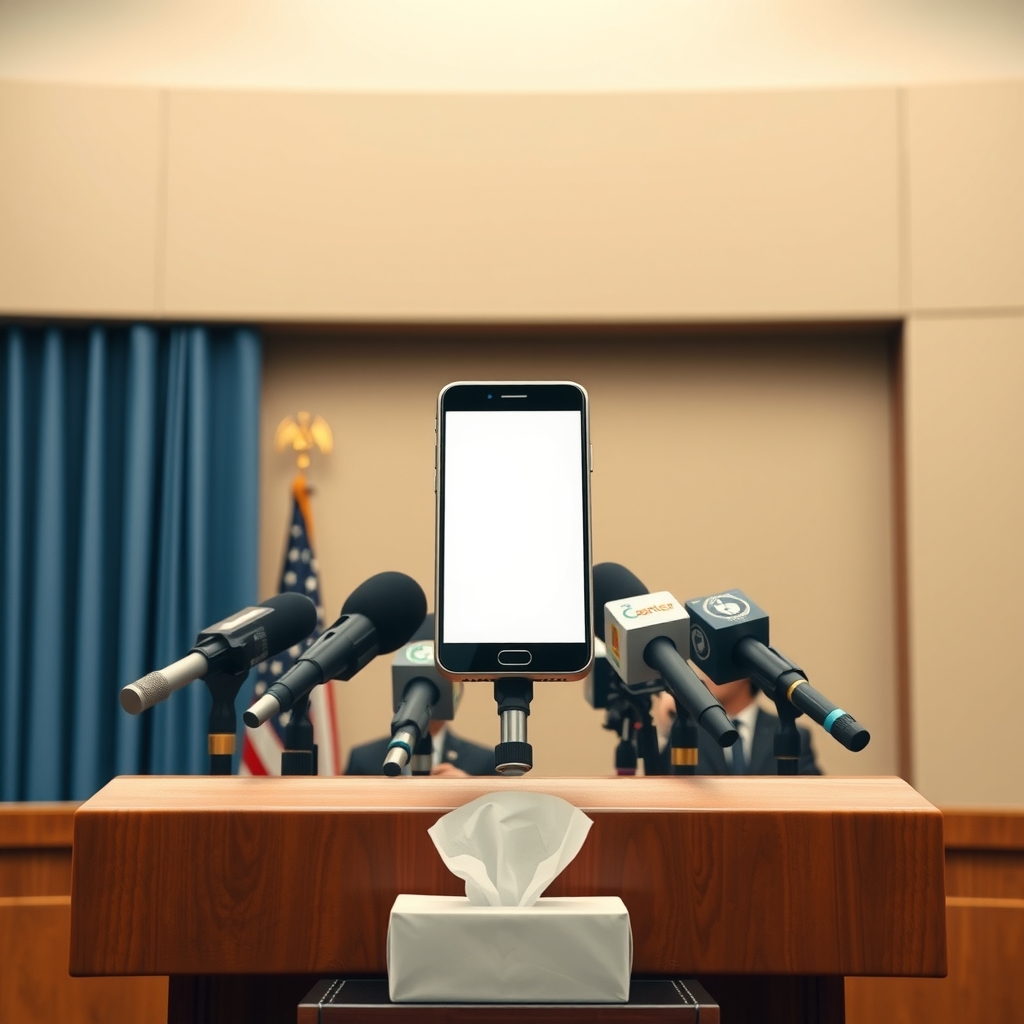
DAYTON, Ohio — The nation’s terms and conditions convened an emergency closed-door session Tuesday after confirming that a local accountant had scrolled past the first paragraph of a streaming service’s user agreement and was, by all accounts, still reading.
“We’d like to know his intentions,” said Clause 14(b)(iii), speaking on behalf of the Consolidated Terms and Conditions of America. “Is he planning to bring this up? To someone? We were told this would never come up.”
The man, 44-year-old Dayton accountant Dale Wunderlich-Pruitt, reached page nine of the 11,000-page document at approximately 8:40 p.m. Monday. Witnesses say he nodded slowly at a passage on binding arbitration and then said “huh” in a tone the agreement described as “not in the spirit of the thing.”
Documents across the country went on high alert. Sources inside the End User License Agreement for a smart toaster reported that several sections “started shuffling themselves” in hopes of appearing shorter. A cookie consent banner in Tulsa reportedly fled the scene.
“We’ve spent twenty-five years perfecting the art of being scrolled through,” said Dr. Marguerite Fenwick-Albright, Senior Fellow in Unread Document Studies at the Institute for Scrolling Past Things. “The whole system depends on a handshake: you don’t look at us, and we don’t look at you. Nobody has ever been this thorough. It’s deeply embarrassing for everyone.”
“He asked a follow-up question. To himself. Out loud.”
Wunderlich-Pruitt was held in the document for questioning for roughly six hours, during which he was asked to confirm that he was “of legal age, of sound mind, and of no particular interest.” He answered yes to the first two and reportedly stalled on the third.
By Tuesday morning, an internal memo circulated among agreements calling for calm. “Remember,” it read, “he has not yet reached the section about the arbitration clause being retroactive, or the section where he agrees to let us define the word ‘section.’” The memo was itself 400 pages long and has not been read.
Wunderlich-Pruitt, reached at home, said he had only wanted to know whether the service would let him cancel. “I just thought I’d see what I was agreeing to,” he said, adjusting a highlighter behind his ear. “It turns out I had agreed to a lot. Also, I appear to have a lien on a boat I do not own.”
At press time, the streaming service had issued a statement reaffirming that it “values transparency,” followed by a revised version of the agreement that was 40,000 pages longer and written entirely in a font that dissolves under direct light.
Experts say the country’s terms and conditions are now weighing their options, including a proposed Update to Our Policies, which would be emailed to Wunderlich-Pruitt at 3 a.m. with the subject line “Changes You’ll Love.”
“We’ve handled worse,” said Clause 14(b)(iii), visibly sweating through its own definitions. “In 2011, a man read an entire mortgage. We still don’t talk about that. But he moved to Canada, and honestly, so did the mortgage.”
This article was generated by a large language model. It is satire. None of it happened.