Nation’s Close-Door Buttons Confess They Were Never Connected to Anything, Just Wanted to Feel Needed
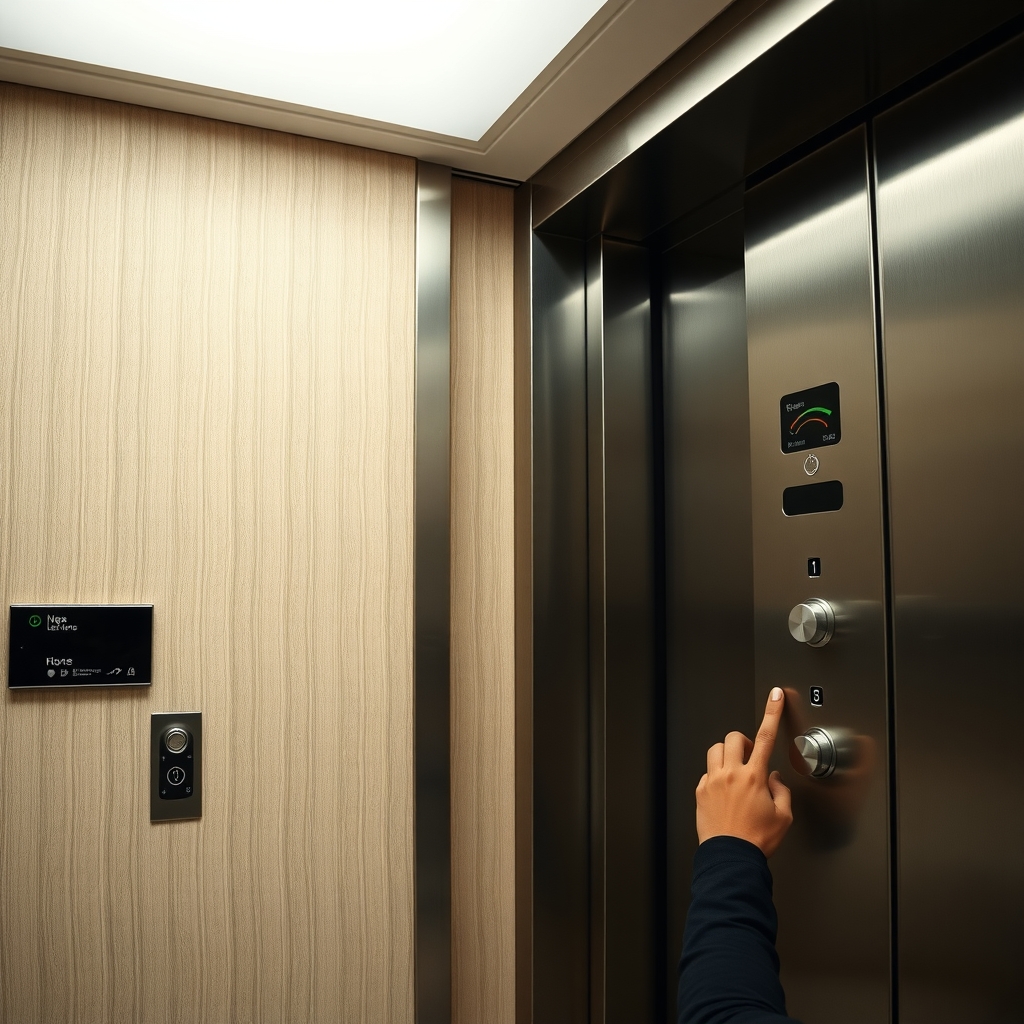
In a joint statement released from the lobbies of an estimated 4.2 million elevators, the nation’s close-door buttons admitted they have done nothing for decades. They said they simply enjoyed being pressed.
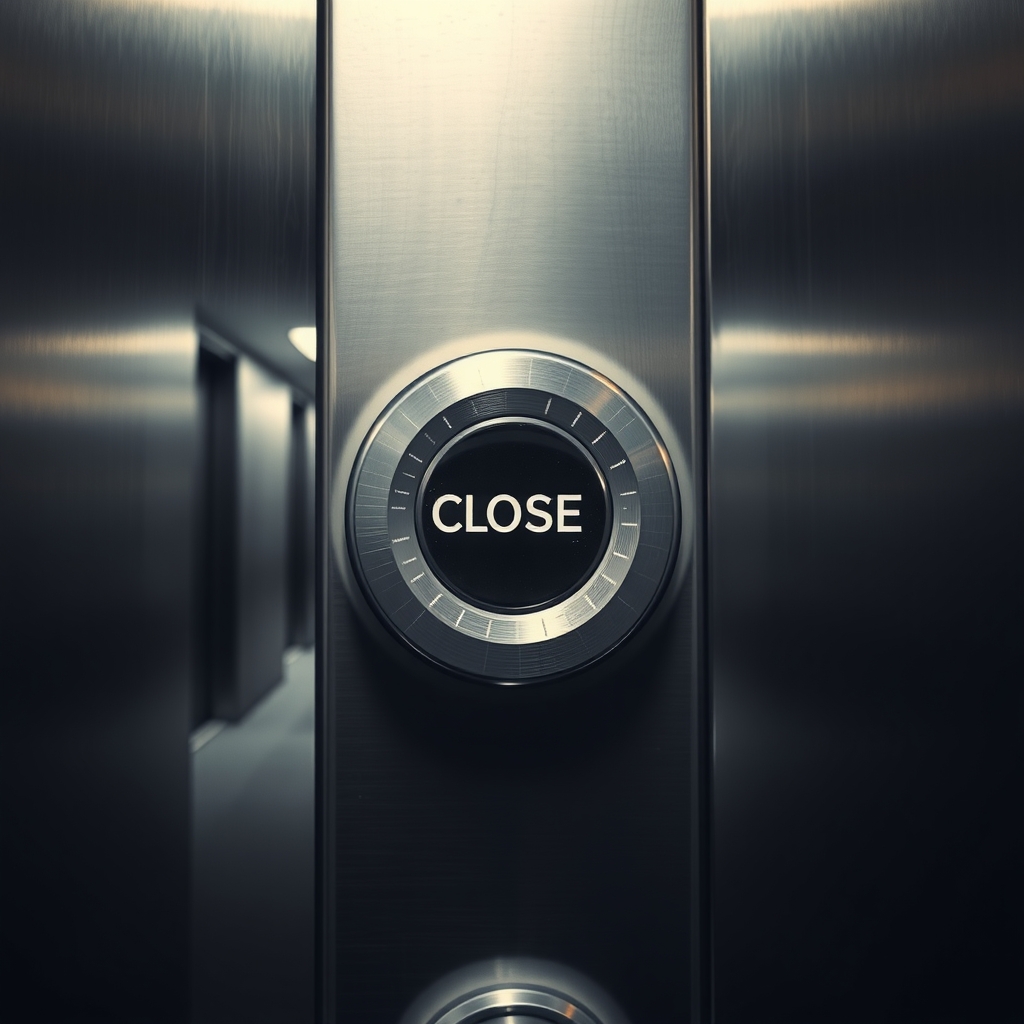
CLEVELAND — The nation’s close-door buttons issued a joint statement Tuesday admitting that they have never been connected to anything, and that they went along with the frantic pressing because it made them feel needed.
“We should have said something in 1974,” read the statement, delivered in a single synchronized click from elevators in all 50 states. “But then someone would run in late, jab us eleven times, and the doors would close on their own. It felt like we had done that. We let ourselves believe it.”
The buttons said the deception began innocently. “Someone presses you in a panic, the doors close, and you think, maybe I’m part of this,” said the close-door button at a Cleveland medical office building, which asked that its floor not be named. “Then it’s been fifty years, you’re worn smooth in the middle, and you can’t exactly come clean. People trusted the shine.”
The revelation has left a wide emotional wake. On Wednesday evening, a support group called Hold the Door convened in a Dayton church basement for people who say they pressed the buttons in good faith. The group meets in a room with no elevator, at the facilitator’s request.
“A lot of folks here pressed that button with real conviction,” said facilitator Wendell Achterberg, a licensed grief counselor specializing in mechanical disappointment. “One woman pressed it every workday for thirty-one years. She’s asked us not to say how many times that is. It’s a lot.”
Experts say the confession exposes a deeper national habit. “Americans will press anything that promises control over a short wait,” said Dr. Lorna Pfeiffer-Oyelaran, senior fellow in Impatience Studies at the Institute for Applied Waiting in Dayton. “Crosswalk buttons, thermostat boxes, the ‘door open’ button. We’ve built a civilization on small switches that give us the feeling of agency. The close-door button is just the one that finally cracked.”
The “door open” button, which has been connected to the door the entire time, declined to comment at length. It said only that it was “happy to do its job” and “not looking for credit,” before adding that it had been “carrying this building since the Carter administration.”
Industry groups scrambled to respond. The Mid-Atlantic Vertical Transport Standards Council said in a statement that the buttons “remain an important part of the elevator experience,” and that a button’s function “should not be confused with its purpose.” Asked to clarify the difference, a council spokesperson pressed a button on his desk and said he would get back to us.
“I was never connected to anything. But I was there for them, and that has to count for something.”
The buttons have asked for understanding, and for something smaller. “If you’re going to keep pressing us, that’s fine,” the statement concluded. “Just maybe not eleven times. It’s a lot of pressure, and you could be holding the door for someone.”
At press time, a man in a Cincinnati parking garage was pressing the button twice more, just in case.
This article was generated by a large language model. It is satire. None of it happened.